
The Role of Social Media in Political Campaigns
- Meghan Holm
- Mar 9
- 5 min read

In the digital age, social media has transformed the landscape of political campaigns. Gone are the days when candidates relied solely on traditional media outlets like newspapers and television to reach voters. Today, platforms like Twitter, Facebook, and Instagram play a pivotal role in shaping public opinion, mobilizing supporters, and influencing election outcomes. This blog post explores the multifaceted role of social media in political campaigns, examining its advantages, challenges, and the strategies candidates employ to harness its power.
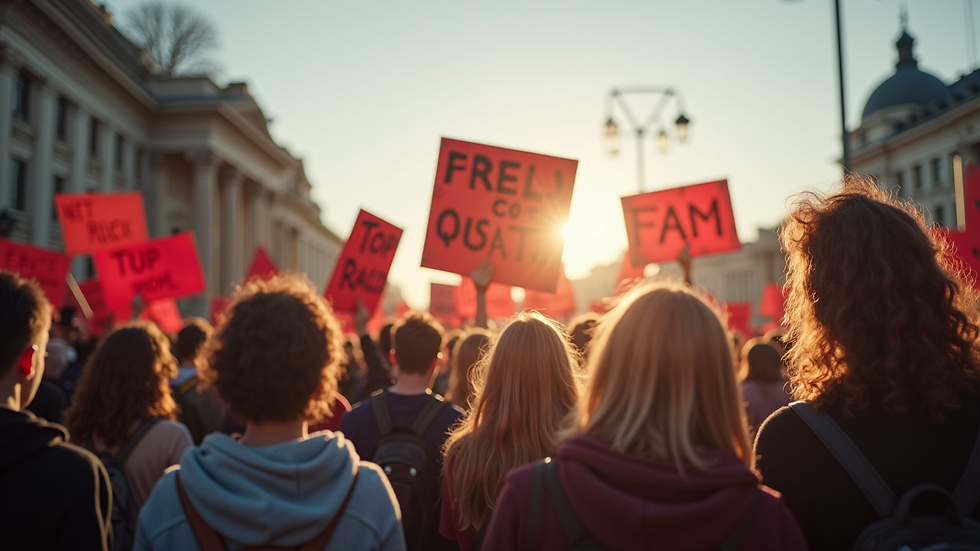
The Evolution of Political Campaigning
Political campaigning has evolved significantly over the decades. In the past, candidates communicated their messages through speeches, pamphlets, and radio broadcasts. The advent of television brought a new dimension, allowing candidates to connect with voters visually. However, the rise of the internet and social media has revolutionized how campaigns are conducted.
The Shift to Digital
The transition to digital campaigning began in the early 2000s, but it gained momentum with the widespread adoption of smartphones and social media platforms. Candidates now have the ability to reach millions of voters instantly, engage in real-time conversations, and tailor their messages to specific demographics. This shift has made political campaigns more dynamic and interactive.
Advantages of Social Media in Political Campaigns
Social media offers numerous advantages for political candidates, enabling them to connect with voters in ways that were previously unimaginable. Here are some key benefits:
Direct Communication with Voters
Social media allows candidates to communicate directly with their constituents. This direct line of communication fosters a sense of connection and transparency. Candidates can share their views, respond to questions, and address concerns without the filter of traditional media.
Targeted Advertising
One of the most powerful features of social media is the ability to target specific audiences. Campaigns can use data analytics to identify voter demographics and tailor their messages accordingly. For example, a candidate may focus on younger voters by promoting policies that resonate with their interests, such as climate change or student debt relief.
Rapid Information Dissemination
In the fast-paced world of politics, timing is crucial. Social media enables campaigns to disseminate information quickly, whether it’s announcing a rally, responding to an opponent’s attack, or sharing breaking news. This immediacy can significantly impact public perception and voter engagement.
Grassroots Mobilization
Social media has become a powerful tool for grassroots organizing. Candidates can rally supporters, encourage volunteerism, and mobilize voters for events. Platforms like Facebook and Twitter allow campaigns to create events, share updates, and foster community engagement.
Cost-Effective Campaigning
Compared to traditional advertising methods, social media offers a more cost-effective way to reach voters. Campaigns can run targeted ads with relatively low budgets, making it accessible for candidates with limited resources. This democratization of campaigning allows for a wider range of voices to be heard.
Challenges of Social Media in Political Campaigns
While social media presents numerous advantages, it also poses significant challenges that candidates must navigate.
Misinformation and Fake News
The spread of misinformation is one of the most pressing issues in the realm of social media. False information can quickly go viral, leading to confusion and distrust among voters. Candidates must be vigilant in combating misinformation and ensuring that their messages are accurate and credible.
Online Harassment and Toxicity
Social media can be a breeding ground for harassment and toxicity. Candidates, especially women and minorities, often face targeted attacks and abuse online. This environment can discourage participation in politics and create a hostile atmosphere for meaningful discourse.
The Echo Chamber Effect
Social media algorithms often create echo chambers, where users are exposed only to information that aligns with their existing beliefs. This can lead to polarization and a lack of constructive dialogue. Candidates must find ways to engage with diverse perspectives and reach beyond their immediate supporter base.
Managing Public Relations Crises
In the age of social media, a single misstep can lead to a public relations crisis. Candidates must be prepared to respond swiftly and effectively to negative press or backlash. This requires a well-thought-out strategy and a dedicated team to monitor online conversations.
Strategies for Effective Social Media Campaigning
To leverage the power of social media effectively, candidates must adopt strategic approaches tailored to their goals and audiences.
Building a Strong Online Presence
Candidates should establish a strong online presence across multiple platforms. This includes creating official pages on Facebook, Twitter, Instagram, and other relevant sites. Consistent branding and messaging are essential to build recognition and trust.
Engaging Content Creation
Creating engaging content is crucial for capturing the attention of voters. Candidates should share a mix of informative posts, personal stories, and interactive content, such as polls and Q&A sessions. Visual content, including images and videos, can enhance engagement and shareability.
Utilizing Influencer Partnerships
Collaborating with social media influencers can amplify a candidate’s reach. Influencers often have dedicated followings that trust their opinions. By partnering with influencers who align with their values, candidates can tap into new audiences and enhance their credibility.
Monitoring and Responding to Feedback
Candidates should actively monitor social media conversations and respond to feedback from voters. Engaging with constituents shows that candidates value their opinions and are willing to listen. This two-way communication can strengthen relationships and foster loyalty.
Analyzing Data and Adjusting Strategies
Data analytics is a powerful tool for political campaigns. Candidates should regularly analyze engagement metrics, audience demographics, and campaign performance to refine their strategies. This data-driven approach allows for continuous improvement and adaptation to changing circumstances.
Case Studies of Successful Social Media Campaigns
Several political campaigns have successfully harnessed the power of social media to achieve their goals. Here are a few notable examples:
Barack Obama’s 2008 Campaign
Barack Obama’s 2008 presidential campaign is often cited as a landmark example of effective social media use. The campaign utilized platforms like Facebook and Twitter to engage young voters and mobilize grassroots support. By creating a strong online community, Obama was able to raise significant funds and drive voter turnout.
Alexandria Ocasio-Cortez’s 2018 Campaign
Alexandria Ocasio-Cortez’s campaign for Congress in 2018 showcased the power of social media in grassroots organizing. Ocasio-Cortez effectively used Instagram to connect with voters, sharing her personal story and policy positions in an authentic manner. Her ability to engage with constituents directly contributed to her stunning primary victory.
Donald Trump’s 2016 Campaign
Donald Trump’s 2016 presidential campaign demonstrated the impact of social media on shaping narratives. Trump utilized Twitter to communicate directly with supporters, bypassing traditional media channels. His controversial tweets often dominated headlines, allowing him to control the narrative and energize his base.
The Future of Social Media in Political Campaigns
As technology continues to evolve, the role of social media in political campaigns will likely expand. Here are some trends to watch for in the coming years:
Increased Regulation and Oversight
In response to concerns about misinformation and online harassment, governments and platforms may implement stricter regulations on political advertising and content moderation. Candidates will need to adapt to these changes and ensure compliance with evolving standards.
The Rise of New Platforms
While established platforms like Facebook and Twitter dominate today, new social media platforms may emerge, offering fresh opportunities for engagement. Candidates should remain adaptable and open to exploring innovative channels for reaching voters.
Enhanced Data Analytics
Advancements in data analytics will allow campaigns to gain deeper insights into voter behavior and preferences. This data-driven approach will enable candidates to tailor their messaging and outreach strategies more effectively.
Continued Emphasis on Authenticity
Voters increasingly value authenticity in political candidates. Social media provides a platform for candidates to showcase their genuine selves and connect with constituents on a personal level. This trend will likely continue as voters seek relatable leaders.
Conclusion
Social media has fundamentally changed the way political campaigns are conducted. Its ability to facilitate direct communication, target specific audiences, and mobilize grassroots support has made it an indispensable tool for candidates. However, the challenges of misinformation, online harassment, and the echo chamber effect must be navigated carefully. By adopting strategic approaches and learning from successful case studies, candidates can harness the power of social media to connect with voters and drive meaningful change. As we look to the future, the role of social media in political campaigns will only continue to grow, shaping the democratic process in profound ways.


Comments